Time for an Insurance Review

The coronavirus has made one thing abundantly clear: We all need to be prepared for an emergency. Which prompts the question: When did you last review your insurance policies?

You may want to make some changes to your auto, homeowners and life in­surance policies in light of COVID-19. “You could be paying for coverage that you don’t need anymore, or you could be lacking coverage in some areas because of the pandemic,” says Carmen Balber, executive director at Consumer Watchdog, a nonprofit consumer-advocacy organization.

Click here to read the full story.

How HR Practitioners Can Grow Their Skill Sets

Like many professionals, HR practitioners have experienced furloughs, layoffs or reduced hours as a result of the COVID-19 pandemic. But there’s a silver lining: Having more time on your hands means you have an opportunity to focus on your professional development, which can be a game changer for your career.

“We live in a skills-based economy,” says Latesha Byrd, a Charlotte, N.C.-based professional career coach and consultant. In other words, many employers base their hiring decisions on a job candidate’s abilities; thus, having a robust set of skills makes you more marketable to employers.

Click here to read the full story.

Wedding Canceled or Postponed? Here’s How to Get a Refund

Frank Dariano and Sharon Mensah had planned to marry on July 5, with 50 guests in attendance, at a resort in Banff National Park in the Rocky Mountains of Alberta, Canada. But they canceled the wedding shortly after shelter-in-place orders were issued in San Jose, Calif., their hometown. “Our plans really went south as the pandemic started cracking down on international travel,” said Mr. Dariano, an administrative assistant at an outpatient rehabilitation center in Sunnyvale, Calif.

Things got even worse when their venue refused to refund their $8,300 deposit. “We didn’t feel it was right to lose our deposit when no services had been rendered,” said Ms. Mensah, 36, a high school therapist in Sunnyvale. When pleading with the venue led to a dead end, the couple consulted a lawyer in Canada, who reviewed their contract and negotiated with the resort for a full refund.

Click here to read the full story.

How the Pandemic Is Persuading Millennials to Leave the City and Make Living in the Suburbs … Cool?

City living treated Dylan Gray well. For two years, Gray, 26, rented an apartment in downtown Indianapolis with bars, restaurants, and his office all in walking distance. But when the coronavirus pandemic required him to start working remotely, Gray set his sights on buying a home in Broad Ripple, a neighborhood with a suburban feel located six miles north of downtown.

“Once my ability to walk to work was no longer a factor, it made sense for me to buy a house, especially given how low rates are right now,” says Gray, a business analyst at Salesforce. He purchased a 3-bedroom detached house for $230,000 last month, using a 30-year fixed-rate mortgage with a 3.3% interest rate.

Before the pandemic, many Americans relished the perks of living in a big city. According to a 2016 Census Bureau report, about eight in 10 Americans lived in urban areas. But COVID-19 has some urbanites reevaluating where they want to live—and the type of homes the want to live in. During the second quarter of this year, 51% of property views by urban residents of America’s 100 largest metros went to suburban properties, an all-time high since Realtor.com began tracking metro level search data in 2017.

Click here to read the full story.

Fall Homebuying Outlook: Everything You Need to Know About Prices, Supply and Mortgage Rates

With spring homebuying season disrupted by the coronavirus, would-be house hunters may be wondering if this fall will be a good time to buy.

The housing market is typically slow after August, as kids settle in for the school year and the weather starts to cool in much of the country. But, this year, the answer to that question—like so many posed since the start of the pandemic—is maybe, it depends.

To help you make the best decision for you, we’ve outlined a few expert predictions, as well as four pros and three cons of purchasing a home this fall.

Click here to read the full story.

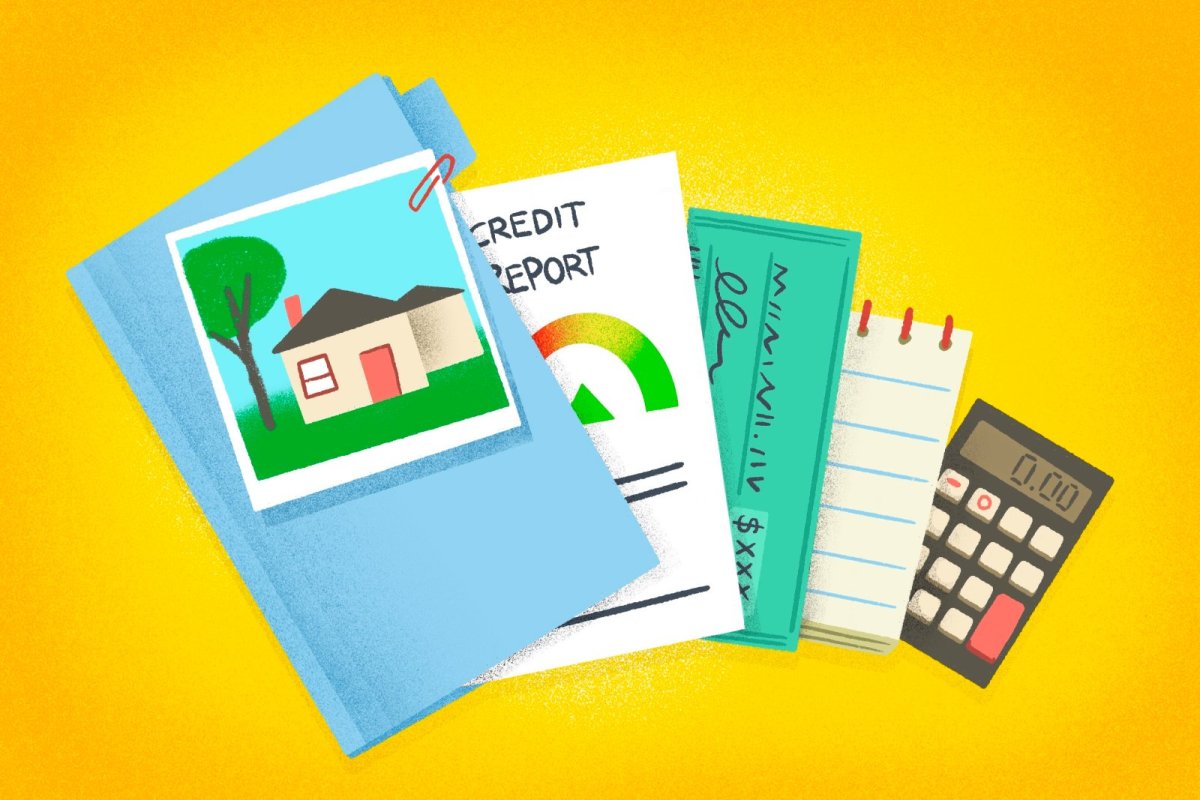
How to Get Preapproved for a Mortgage: A Step-by-Step Guide for Homebuyers

Ready to get serious about buying a home? Get preapproved for a mortgage.

In a nutshell, a mortgage preapproval letter is a written statement from a lender affirming that you’ve qualified for a home loan and specifying how much money the lender will allow you to borrow. Historically, sellers have preferred offers that include such a letter, but many have begun requiring that buyers get preapproved before even taking a tour.

Click here to read the full story.

Livestream Your Wedding Like a Pro

A smartphone with a strong internet connection is the only tool you really need to livestream a wedding to your friends and family. But if you want to heighten your production quality, and pull off a memorable livestream for your digital guests, you’ll need some extra gadgets.

To help livestream their May 16 wedding in Cincinnati, Jennifer Noble, 32, and David Gregory, 34, hired ChiliDog Pictures. The Cincinnati-based video production company used several cameras, a microphone and a soundboard to record the couple’s vows and first dance. Ms. Noble and Mr. Gregory, both actors who live in Astoria, Queens, said the event, which was filmed at a catering hall owned by the bride’s family had exceeded their expectations.

Click here to read the full story.
Jumbo Mortgages Are in High Demand but Harder to Get Than Ever

Mortgage lenders began to tighten their purse strings when the coronavirus crisis hit the U.S. earlier this year, raising requirements for all borrowers and for those taking out large home loans in particular.

Mortgages that are too large to be purchased by Fannie Mae or Freddie Mac, the government sponsored enterprises that buy home loans, are known as jumbo loans. Across most of the country, a mortgage larger than $510,400 is considered non-conforming and fits in the jumbo bucket, though in some expensive markets the jumbo loan limits is as high as $765,600.

Click here to read the full story.

House Hunters Now Need Pre-Approval Letters to Walk in the Door. What the Trend Means for Buyers, Sellers and Agents

Home buyers eager to take advantage of low interest rates are rushing to schedule home tours, just recently allowed in some places as stay-at-home restrictions are eased. To curtail potential exposure to the coronavirus, however, many sellers are trying to limit the number of people traipsing through their properties. To achieve this, real estate agents are suggesting that sellers only admit buyers who have been pre-approved for a mortgage.

A pre-approval letter is a written offer from a lender stating that a potential buyer has been tentatively approved for a mortgage and how much they would be permitted to borrow.

Click here to read the full story.

With Mortgage Rates So Low, Getting a Floating Rate Mortgage Might Seem Crazy. Here’s Why I Did It Anyway

My mortgage payments are by far my largest monthly expense, so when I recently got the chance to cut them, I cut them as deeply as I could — even though it meant doing something I never thought I’d do: Forgoing the security of a fixed-rate mortgage for an adjustable one.

An ARM, also known as a “variable-rate mortgage,” offers a low introductory interest rate—typically for three, five, seven or 10 years—and when that period ends the rate turns into a floating rate for the remainder of the loan. Once rates adjust, mortgage payments for an ARM can double or even triple. With today’s mortgage rates at or near record lows, future rates may have only one way to go: up.

Click here to read the full story.